Your goal and its implementation – 6 proven methods!
15 November 2017
A strong core: how to do it and what benefits does it bring?
11 December 2017
There is a thin layer of dust on your bike, and you can see a few kilos more on your scale? The only contact you have with two wheels is when you give likes to professional cyclists on social media or when moving the bike to make room for vacuuming?
This means that your motivation probably reached the bottom and the willingness to do the workout is zero. Don’t worry though – you are not an exception. If you’ve come across this article, you’re in the right place – after applying the seven methods presented below, you have a good chance of a spectacular return. Time for increased motivation and working at full speed!
Key takeaways
- Losing motivation to train is presented as a common problem, and the first step is to understand what caused the decline rather than trying to force yourself back into training immediately.
- The article recommends a personal “sports examination of conscience”: identify the factors that reduced motivation, write them down, and decide consciously whether returning to training still matters to you.
- Cycling should remain enjoyable; training purely out of obligation is presented as unlikely to produce a sustainable return.
- Regaining motivation starts with a clear internal decision to return to training and with learning from the mistakes or circumstances that caused the previous drop in consistency.
- New goals should be realistic, specific, and supported by a concrete action plan rather than based on vague intentions.
- A simple return can begin with only two workouts per week, participation in one event, or another manageable target that creates early momentum.
- The article also gives a minimum of three training sessions per week as an example of a measurable goal that can help rebuild consistency.
- Registering and paying for a competition several months in advance can provide an external commitment that makes regular training easier to maintain.
- Regular group workouts, suggested at approximately 1–4 times per month, can support motivation through social accountability and shared training.
- A preventive health check-up is recommended as another way to reassess the importance of physical activity and identify whether improving fitness could support overall well-being.
- Becoming a positive example for family and friends can create another source of motivation, especially when personal motivation is temporarily weak.
- Family rides and group training can make physical activity more social while giving the athlete a reason to remain active for people other than themselves.
- The article recommends creating a small “team of motivators” made up of family members, friends, or colleagues who know your goals and periodically remind you about them.
- External accountability should remain supportive rather than critical, mocking, or accusatory.
- Low energy, weakness, and drowsiness are presented as possible contributors to low training motivation, so the article recommends reviewing nutrition when motivation has declined.
- The nutritional advice focuses on reducing junk food and sweets and introducing healthier eating habits to improve energy and general well-being.
- The article also suggests investigating possible food allergies or intolerances when they are suspected to be affecting how a person feels.
- Working with a cycling coach is presented as a way to add structure, accountability, progress monitoring, and regular adjustment to the return-to-training process.
- Regular consultations with a coach can be particularly useful for athletes who frequently skip planned sessions when training independently.
- The central message is that motivation is supported by a combination of self-reflection, realistic goals, health awareness, social support, better daily habits, accountability, and a structured plan rather than by willpower alone.
1. Examine your conscience.
The first and most important step to regaining your motivation is to answer some fundamental questions. Cycling must be a pleasure and doing this by coercion will lead us to the same place where we are currently. That is why we must do a kind of sports examination of conscience. The key aspect of this process is to realize what factors have contributed to the decline in our motivation. You can also write them down and put them in a visible place. Then, one has to answer the question whether we want to go back to what a few months or years ago gave us the most joy. If we see the perspective and the answer is YES, then we must make a conscious decision – “I want to go back to training.” Analyzing mistakes from the past is a milestone to regain motivation and to adopt an effective return strategy.
2. Set tangible goals.
Motivation must emerge from our interior. When planning activities, let’s set new, realistic goals and a detailed action plan. A Way2Champ coach can help you with this. In the beginning, it may be two workouts a week or participation in even one competition in a given month
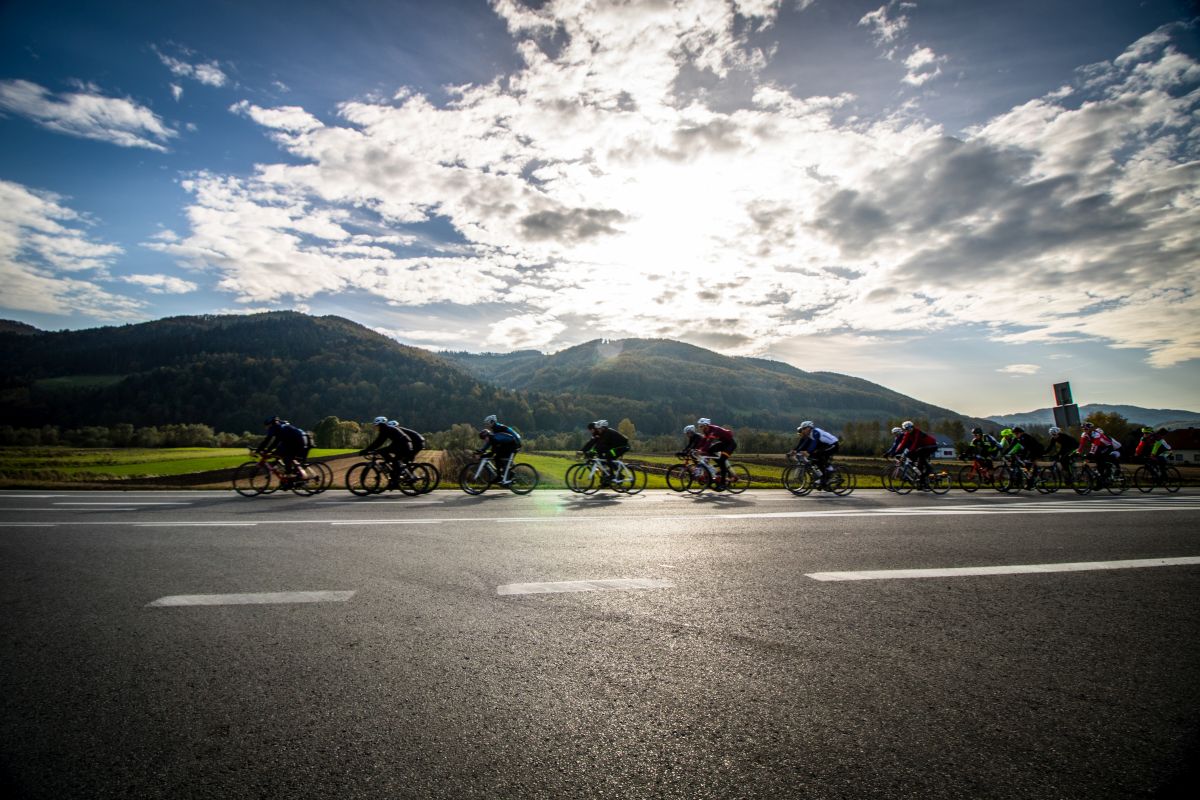
By implementing our intentions, we prove that what we do makes sense and that it is worth continuing.
To care for our motivation at a high level gives us a great chance to sustain it. An excellent way to return to training is also to set a goal: I will complete a minimum of 3 training units a week. Signing up and paying the fee to enter a competition several months ahead is also a great motivator. Regular participation (1-4 times a month) in group workouts can also help.
3. Do a health check-up.
Athletes who train regularly, are less likely to get sick and have fewer health problems. And as everyone knows – health is the most important thing. It’s worth doing preventive examinations of your body and checking if everything in our body works perfectly. If it turns out that physical activity will improve our health and current results, then returning to cycling will be indicated. The awareness of deteriorating well-being usually has a very motivating effect on us to make an effort.
4. Be a role model for your loved ones.
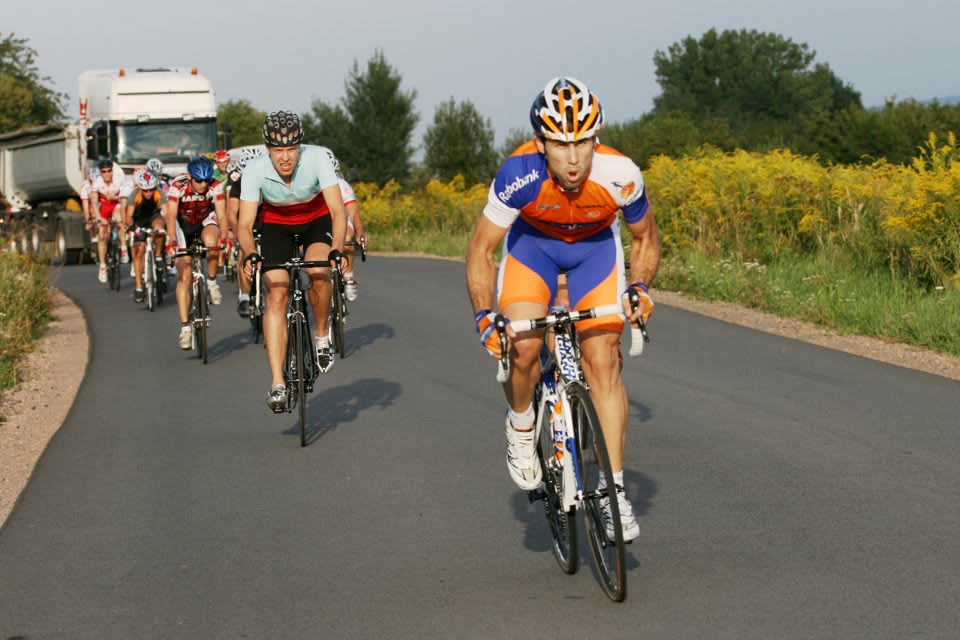
The moments when our motivation falls happen to everyone. If we do not want to go back to training for ourselves – let’s do it for our loved ones. Become a role model and show them that physical activity is the right way to go. Using our knowledge and experience, let’s get involved, for example, in group training or family trips. Helping others is very motivating. Open yourself to your surroundings and give more than ever before. Group workouts are beneficial because even if you do not want to – the rest will keep up the good spirit.
5. Appoint a team of motivators.
If all other ways have failed, and you still keep the bike at a distance, set up a group for special tasks. This group can consist of people with whom we most often hang out with (family, friends, colleagues). Ask them to systematically remind you of the goals you have set for yourself. Knowing that relatives know our plans, will make us not want them to think less about us, and thus we will try to implement what we had planned.
The motivation coming from people with whom we spend every day can be a useful tool, provided that it works on a friendly, not accusing or mocking basis
6. Change your diet.
It often happens that the massively reduced motivation for training comes from the fact that we do not feel well. Weakness, lack of energy or drowsiness – who has never experienced this? We don’t want to get out of the couch, let alone drive 10 kilometers. It is well known that inadequate nutrition negatively affects our health, as well as the level of motivation and willingness to act.
The food that we supply to the body these days is unfortunately often heavily modified, and it is definitely different from what our parents and grandparents ate several decades ago. More and more often we are slaves to various allergies or intolerances that we do not even know about. Let our first step be to eliminate junk food, sweets and implement new habits of healthy nutrition. In your free time, do allergy/intolerance tests to find out what food ingredients negatively affect your body, and thus your well-being. If you want to learn more about the best diet for you – contact us. For the motivation to return to the highest level, we need to gain vigor and energy to live.
7. Try working with a coach.
A professional cycling coach will help you on each of these stages. Our mission in Way2Champ is not only to assist in achieving sports goals but also to improve the quality of life through their implementation. After completing a detailed interview and hearing your goals, you will get a specific action plan that STRONGLY improves your motivation to act. Systematic consultations will allow you to control progress and fulfill your goals. A coach is a person who will efficiently motivate you to perform by monitoring what you are doing and responding to changes. If it also happens to you that despite when trying to train by yourself, you often do not complete the workouts it for various reasons, then working with a coach can help you a lot. Write us, and we will help you on this journey. Click here.
Remember that only hard work on yourself can improve our approach to sports and life. The mind is as critical as our body. We train your psyche so that the interior is in goodexcellent condition. Victory is in your head. The body is a subcontractor of success.
Michał Ostrowski / Arek Kogut