Early Spring or how not to peak too early?
11 September 2017
How to win a race?
13 September 2017
Some riders use beer in excess; others abstain from the golden beverage. Many of us, however, like to be tempted by a cold pint after training. See what we already know about beer!
Key takeaways
- The article’s main position is that beer can fit into a cyclist’s lifestyle only in moderate amounts and should be consumed after training rather than before or during a ride.
- One of the practical reasons for keeping beer until after the workout is safety: drinking before or during cycling increases the risk of dangerous situations.
- The article describes beer with approximately 4–5% alcohol as containing around 90% water, some protein, and a relatively high carbohydrate content.
- It therefore presents low- or medium-alcohol beer as having some characteristics of an isotonic drink, although this is the article’s framing rather than a general hydration recommendation.
- The article claims that moderate beer consumption may influence cholesterol similarly to other alcoholic beverages by lowering LDL and increasing HDL, and it also mentions fiber as potentially contributing to lipid-profile changes.
- Other potential benefits attributed in the article to moderate beer consumption include improved kidney function, reduced risk of type 2 diabetes, improved cognitive function in older people, and provision of B vitamins.
- The article defines “moderate” consumption as approximately 0.33 L of beer per day for women and 0.66 L for men, while explicitly noting that unused amounts should not be accumulated for another day.
- On body weight, the article argues that moderate beer intake alone is not necessarily the main cause of weight gain and points instead to calorie-dense snacks often eaten while drinking.
- The article also cites research suggesting that moderate beer consumption may affect Helicobacter pylori, a bacterium associated with gastric ulcers.
- Another claim discussed is social bonding: the article cites research suggesting that moderate alcohol consumption can increase group interaction and laughter.
- Regarding recovery, the article cites a study in which athletes reported less muscle pain after strenuous exercise when they consumed beer compared with a placebo.
- The article also challenges the idea that beer always causes dehydration by citing research in which beer supplemented with sodium was reported to support post-exercise hydration better than plain mineral water.
- These findings are presented as specific research observations and should not be interpreted as evidence that alcoholic beer is generally superior to standard recovery drinks, water, or electrolyte beverages.
- The article consistently makes moderation the condition for any claimed benefits and does not support excessive alcohol intake.
- The practical message for cyclists is to treat beer as an optional post-training drink rather than a performance aid, keep the quantity limited, and avoid drinking before or during cycling.
- The central theme is that many common beliefs about beer and cycling are more nuanced than simple “good” or “bad” labels, but the article’s positive claims depend heavily on moderate intake and on the specific studies it cites.
First of all, moderation
In the end, it’s not bad at all. Even for cyclists. The thing is that it needs to be used in moderate quantities. Drinking one large glass of beer after a workout is not only a pleasant thing, but also brings health benefits, as described below.
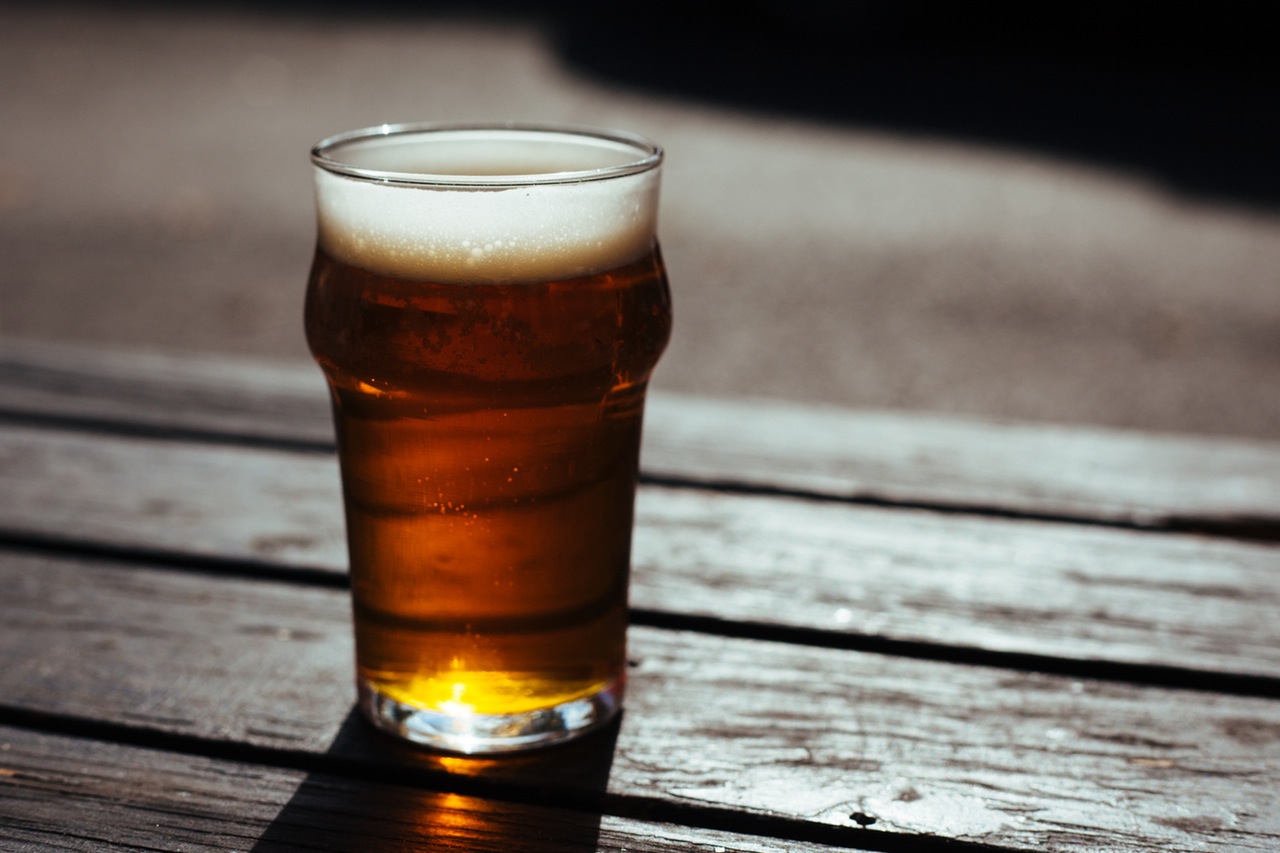
To make things clear from the start, you should consume your glass of porter, pils or ale after the effort, and not before or during (unless you just go beer biking in Amsterdam or Berlin). Then, not only the health benefits will be the greatest, but also the risk of dangerous situations will fall to a minimum.
Secondly, beer and cycling
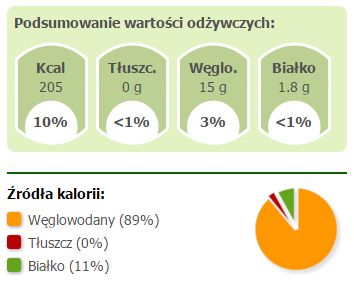
Beer with medium or low alcohol content (4-5%) is considered a great isotonic drink. A pint of such beer consists of about 90% water, a small amount of protein and high carbohydrate content.
The composition of 5% alcohol beers:
The most beneficial alcoholic beverages is red wine, which has a positive effect on blood cholesterol. This is due to the right content and proportions of ethanol. In beer, they are similar, so they also reduce LDL cholesterol (bad), and raise HDL (good). The fiber present in beer can also contribute to the improvement of the lipid profile (designations to assess the risk of coronary heart disease).
Other healthy properties of beer (in moderate amounts *) are:
- improvement in kidney function
- reducing the risk of type B diabetes
- improvement of cognitive functions in the elderly (whatever it means)
- delivery of B vitamins
* It is considered that moderate quantity of wine is equal to 1 beer (0.33 liters) for women and 0.66 liters for men per day. Note: the unused limit does not pass to the next day.
Thirdly, myths
A pint of good beer after training is good. At least many riders I know, that’s what they think.
There are, however, several myths that are worth refuting regarding the connection – beer and cycling:
1. Beer makes you gain weight
If you drink beer moderately* (see above), you will not gain weight from the beer alone. The main culprit is the snacks you eat while drinking beer. However, if you drink moderately, the beer improves the digestive system. Its moderate intake seems to fight the bacteria often responsible for gastric ulcer – Helicobacter pylori. Research (here).
2. Beer does not improve social relations
Other scientific studies (here) point to the fact that moderate beer drinking improves relationships in a group. It also increases the amount of laughter during a discussion.
3. Beer does not relieve muscle pain
There are studies (here) that show that athletes felt less pain in their muscles after hard work when they drank beer compared to placebo.
4. Drinking beer leads to dehydration
Research (here) has shown that beer with sodium supplement hydrates after training better than pure mineral water.